CHOOSE YOUR WATER
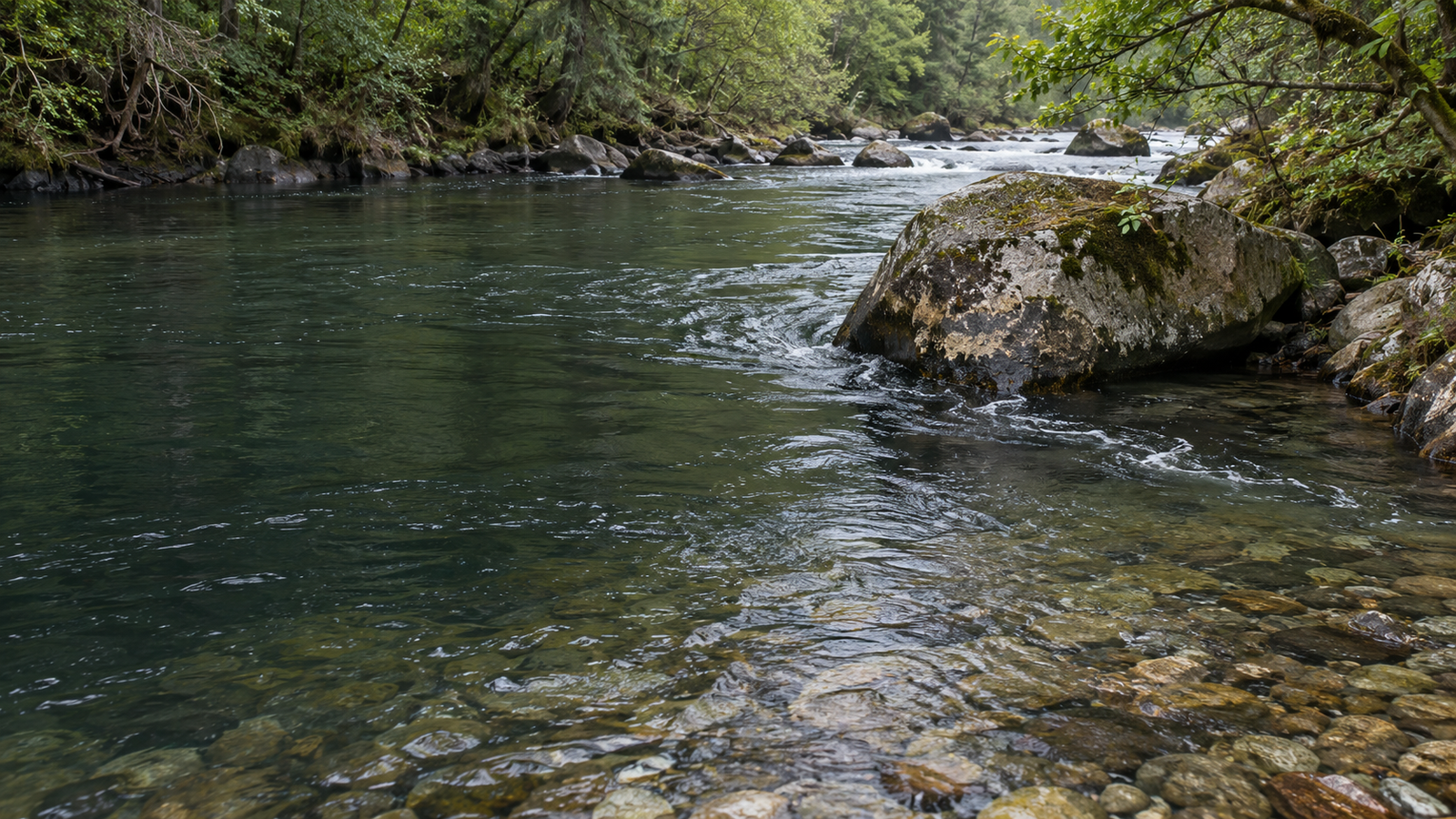
Successful fly fishing starts before the first cast. Learn to read current, recognize structure, understand depth, and identify the places where trout are most likely to hold and feed.
UNDERSTAND THE WATER BEFORE YOU CAST
A trout stream is a system. Current moves food. Structure changes that current. Depth provides protection and different conditions. Holding water is created when those elements come together. Work through each lesson to build a complete picture of the water in front of you.
Current
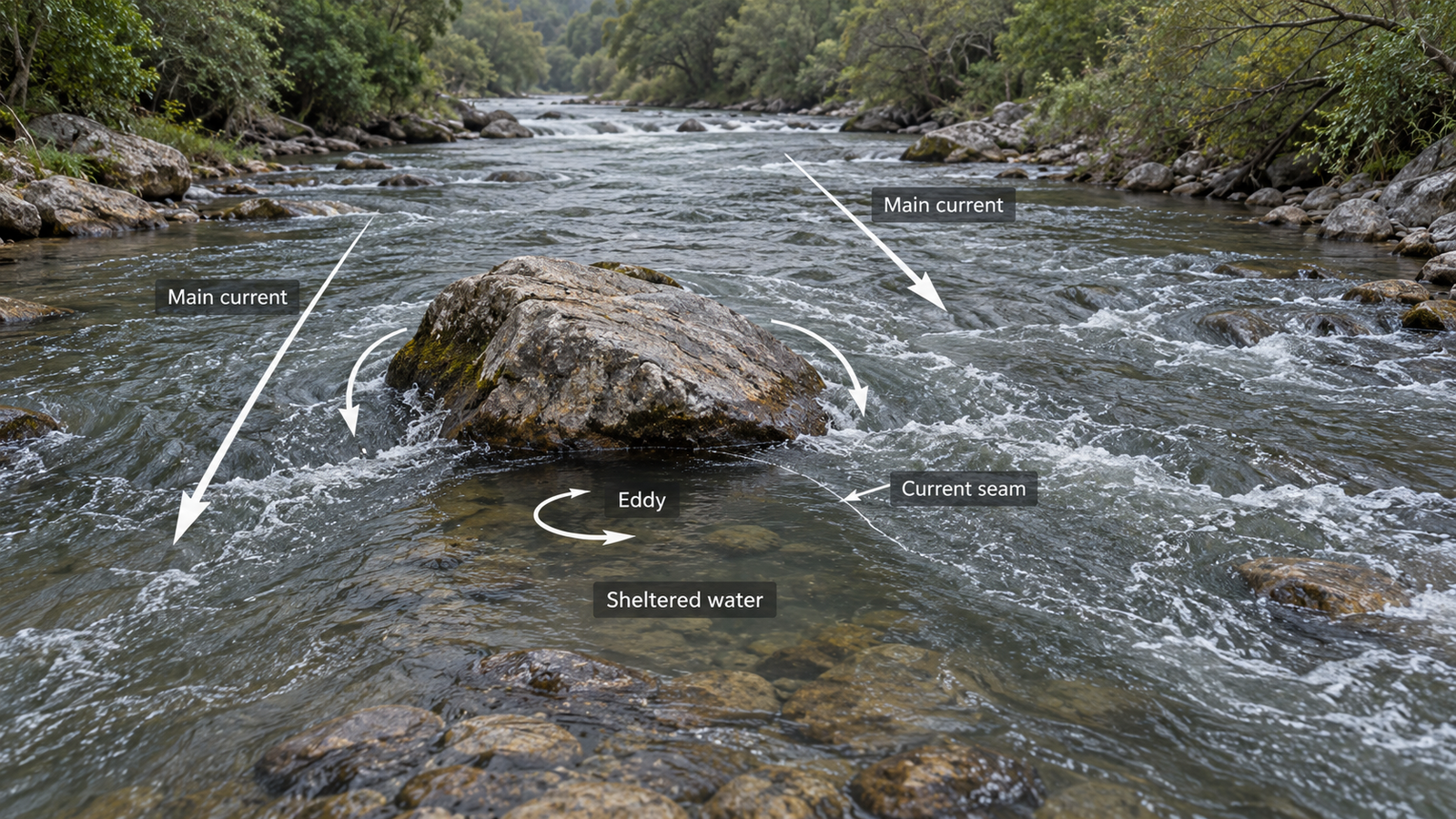
Learn how moving water creates fast water, slow water, seams, eddies, current breaks, and feeding lanes.
- Read changes in current speed
- Identify seams and eddies
- Find feeding lanes
Structure
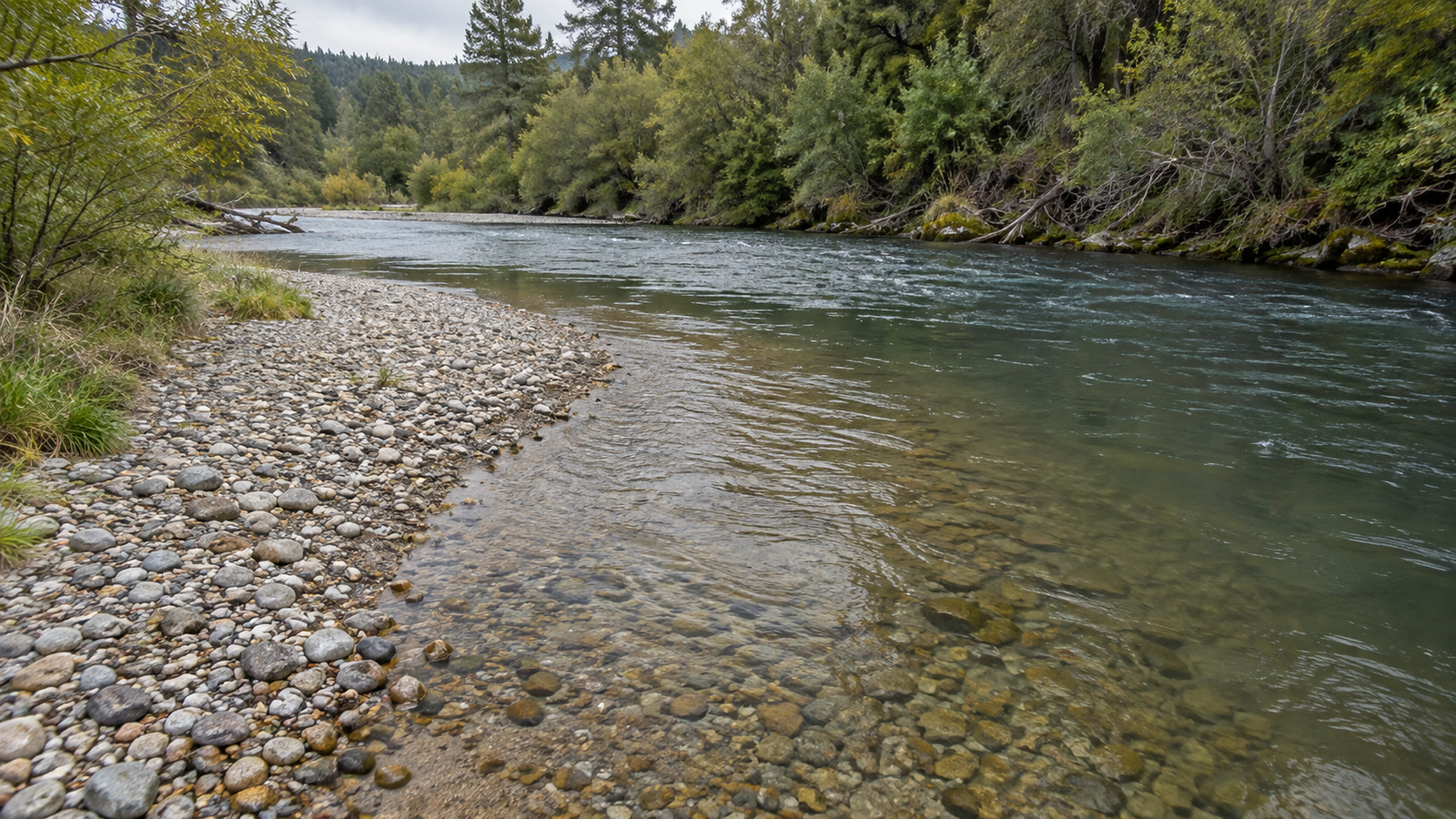
Recognize the physical features that change current, create cover, and provide places for trout to conserve energy.
- Rocks and pocket water
- Banks, wood and vegetation
- Ledges and underwater terrain
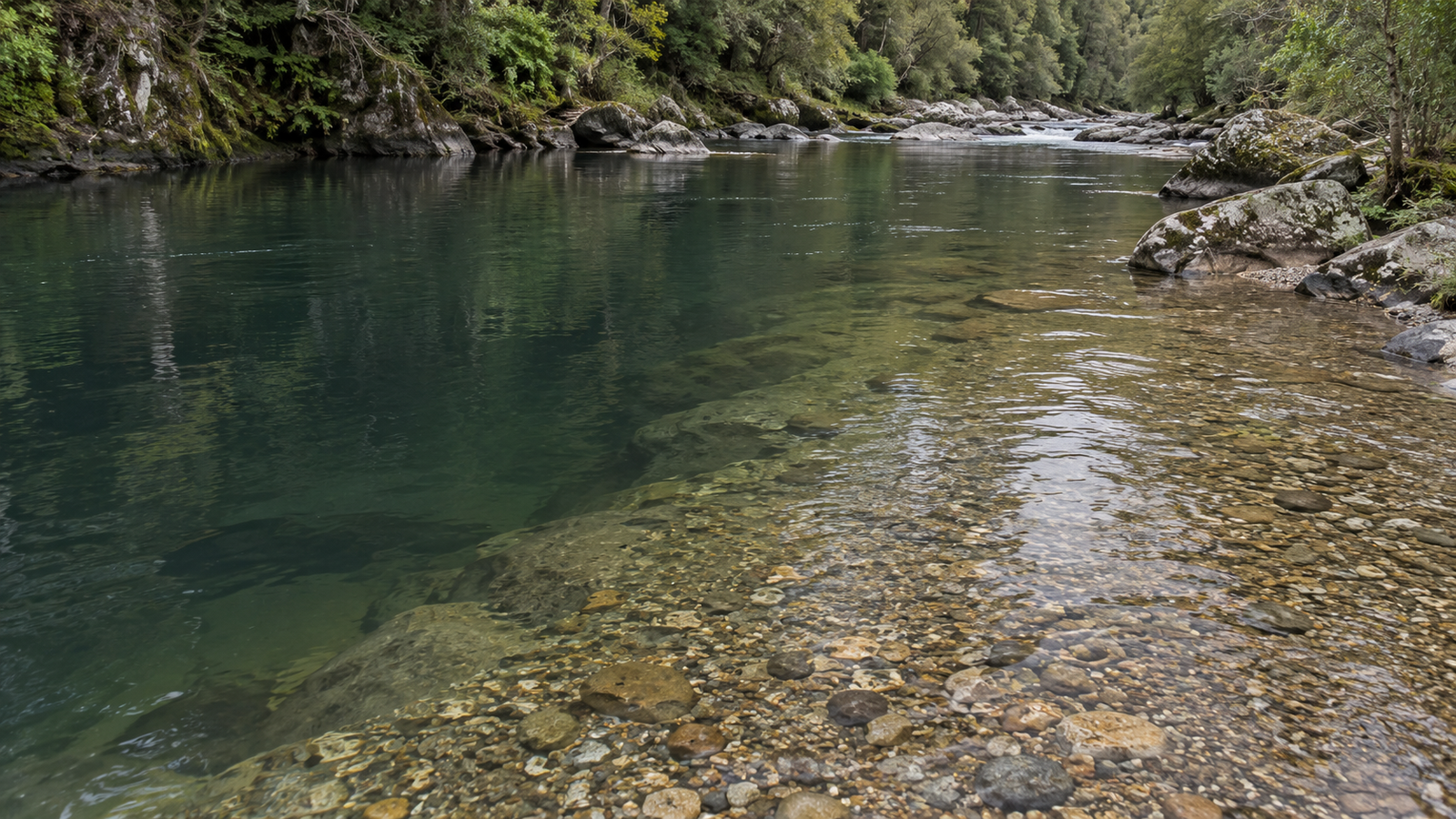
Depth
Learn how riffles, runs, pools, drop-offs, ledges, channels, and transitions affect trout positioning.
- Recognize depth transitions
- Find deeper holding areas
- Understand thermal refuge
Holding Water
Bring current, structure, depth, cover, and access to food together to identify the places trout are most likely to use.
- Locate velocity refuge
- Identify cover and feeding stations
- Find the productive overlap
FOLLOW THE WATER
Read the Current
Determine where the river is moving fast, slow, changing direction, or forming seams.
Find the Structure
Identify rocks, banks, wood, vegetation, ledges, and other features that alter the flow.
Read the Depth
Look for pools, channels, drop-offs, troughs, and transitions between shallow and deeper water.
Identify Holding Water
Find the areas where reduced current, protection, depth, and access to food come together.
FISH SMARTER: COMBINE THE CLUES
Do not evaluate current, structure, or depth in isolation. Productive trout water often exists where several favorable conditions overlap. The stronger the combination of current control, protection, depth, and food access, the more attention that piece of water deserves.