UNDERSTANDING DEPTH
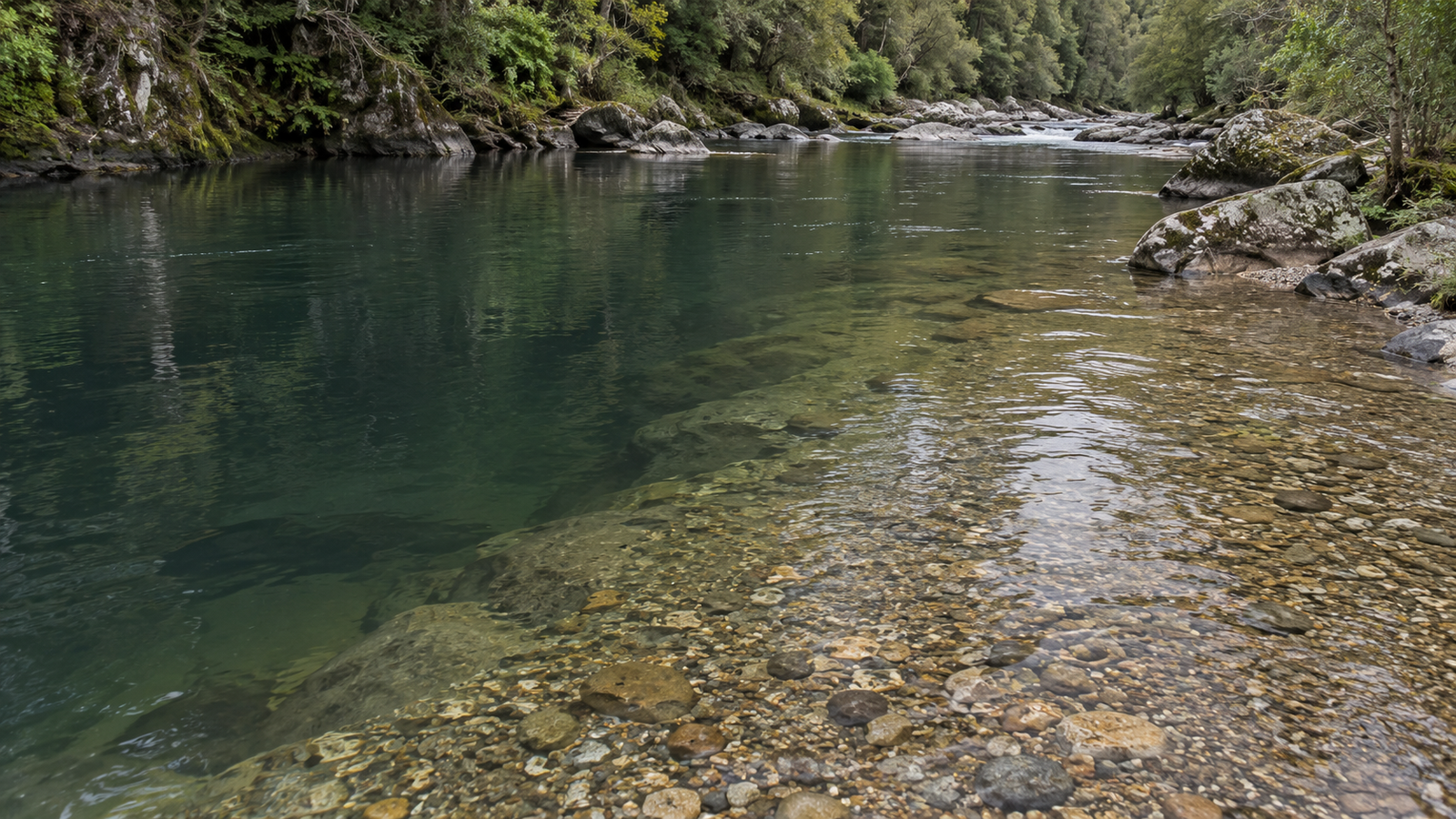
Depth changes everything. It affects water temperature, current speed, oxygen levels, light penetration, and where trout position themselves. Learning to recognize depth zones and transitions helps you find productive water and make better decisions before your first cast.
Shallow Riffles
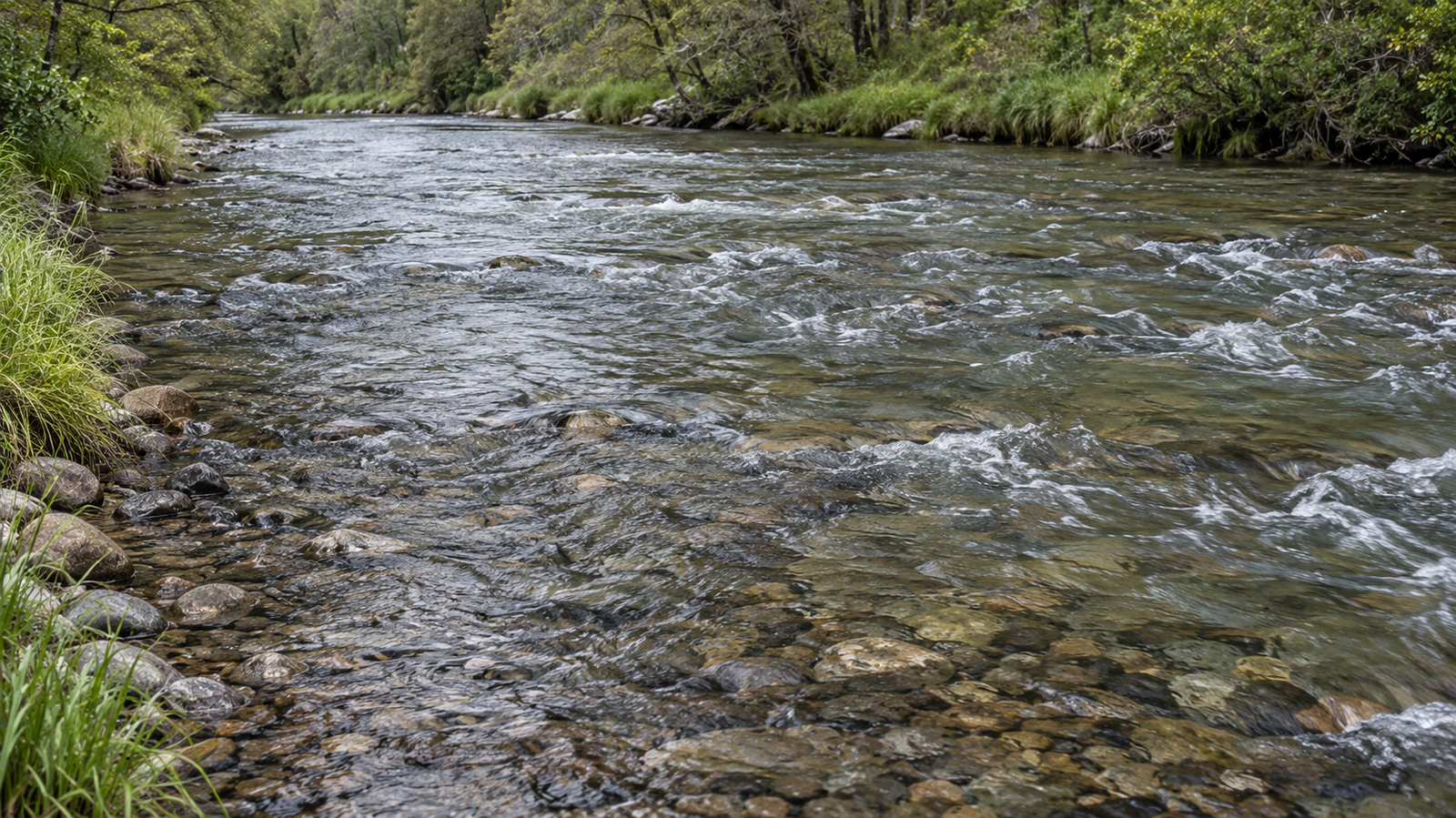
Riffles are shallow, fast-moving sections with turbulent water. They add oxygen, move food, and connect to deeper water where trout often rest and feed.
Runs
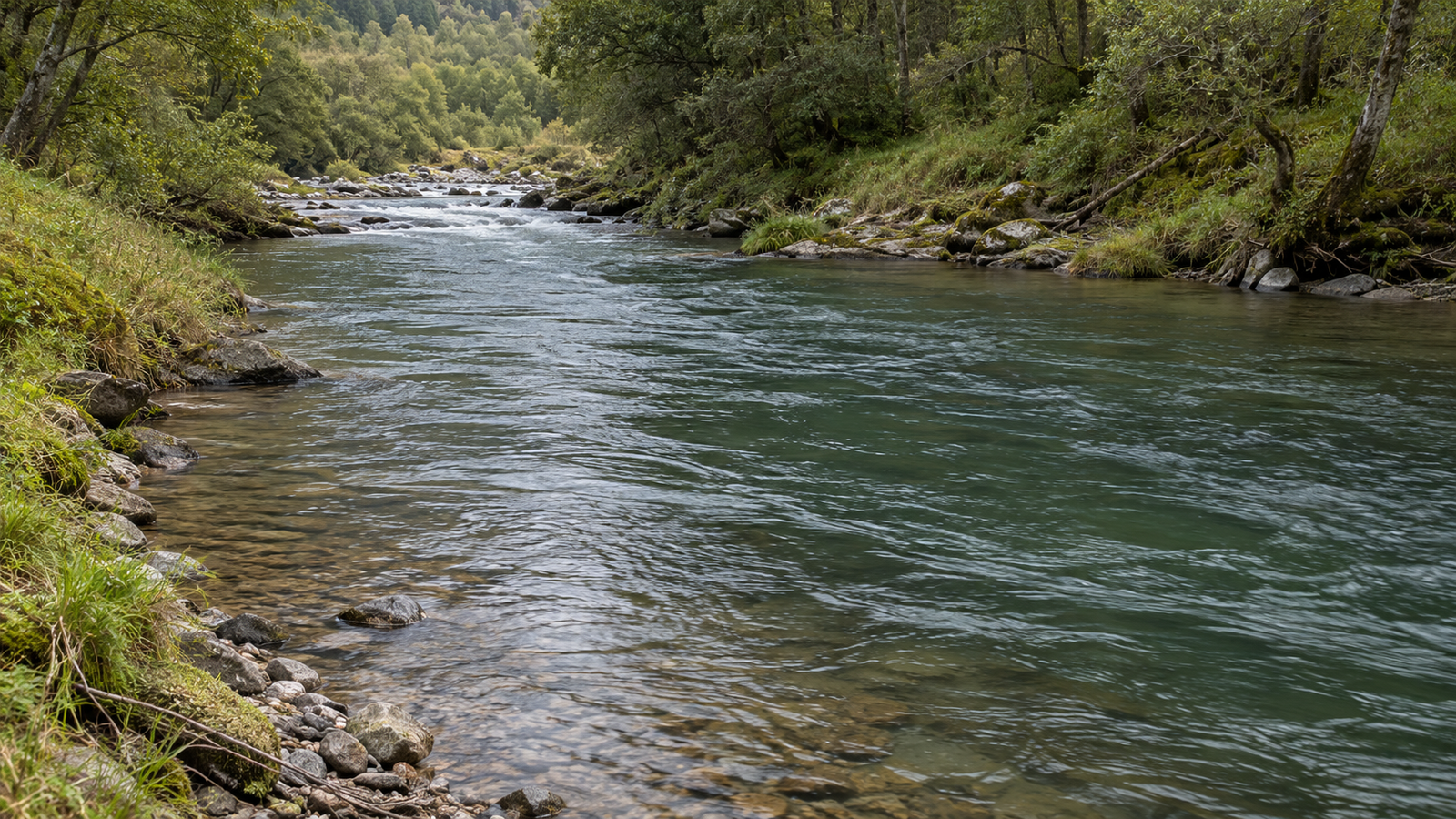
Runs are moderate-depth sections with steady, smoother current. They can provide feeding lanes and travel routes between pools, riffles, and other holding areas.
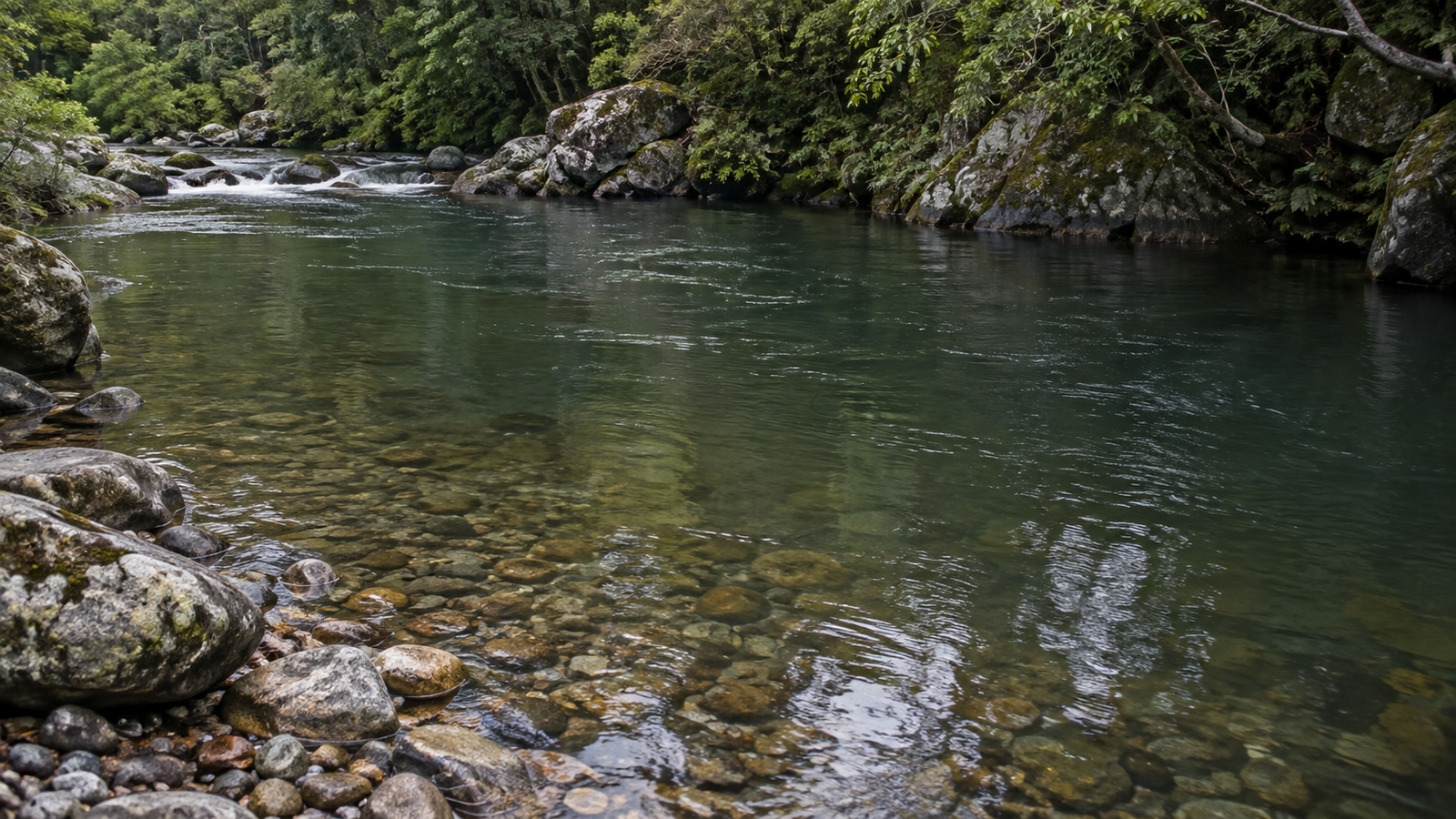
Pools
Pools are deeper, slower sections that can provide protection, cooler temperatures, and places for trout to rest. Larger trout may spend significant time in deeper pools.
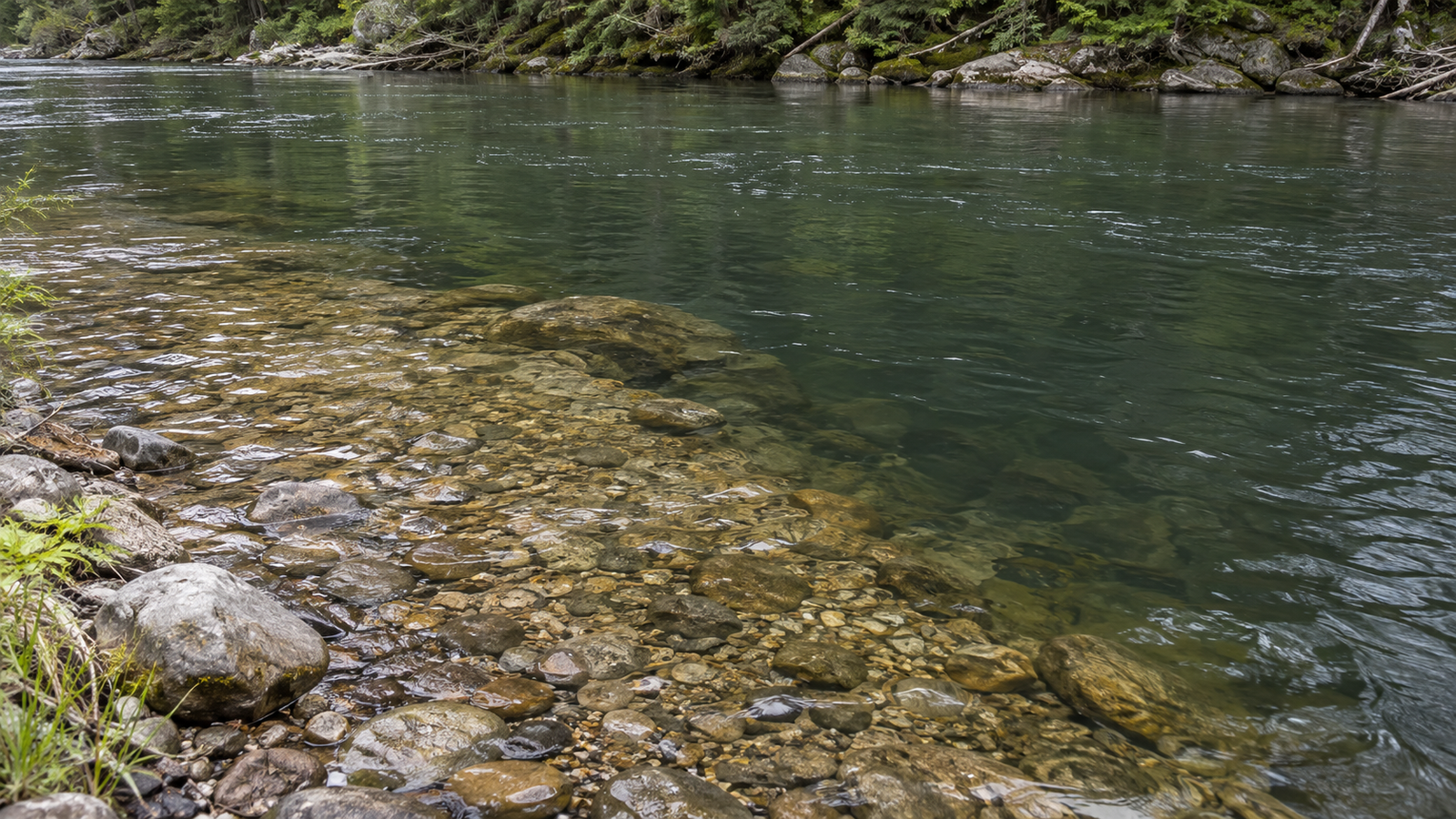
Drop-Offs
Drop-offs create a sudden transition from shallow to deeper water. Trout may hold near the edge and move upward to intercept food drifting through shallower water.
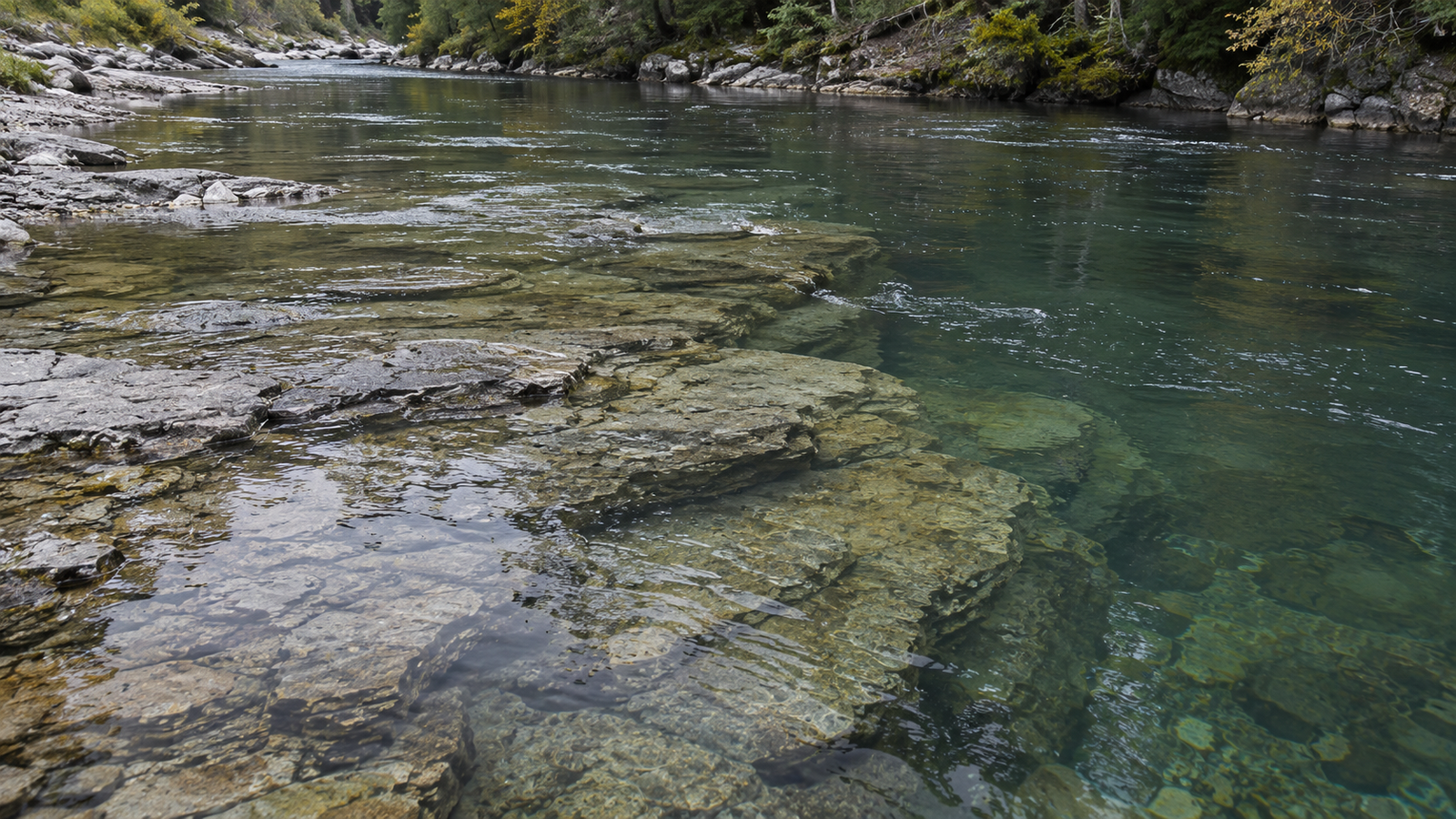
Ledges
Ledges are underwater shelves that create abrupt depth changes. Trout can use these edges for cover while monitoring food moving through different levels of the water column.
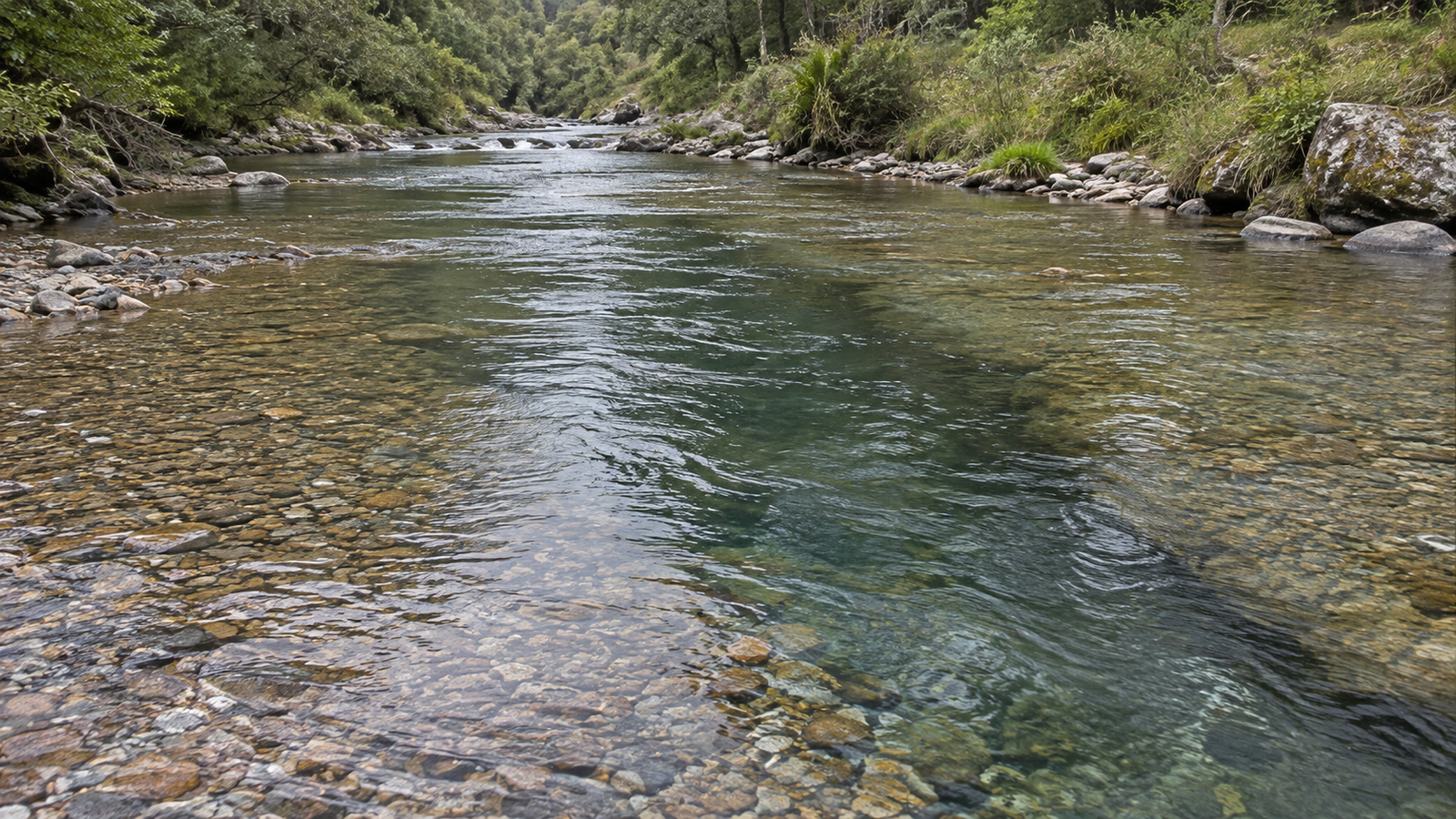
Troughs & Channels
Troughs and channels are deeper pathways in the riverbed. They can provide consistent depth, travel routes, cover, and access to feeding water.
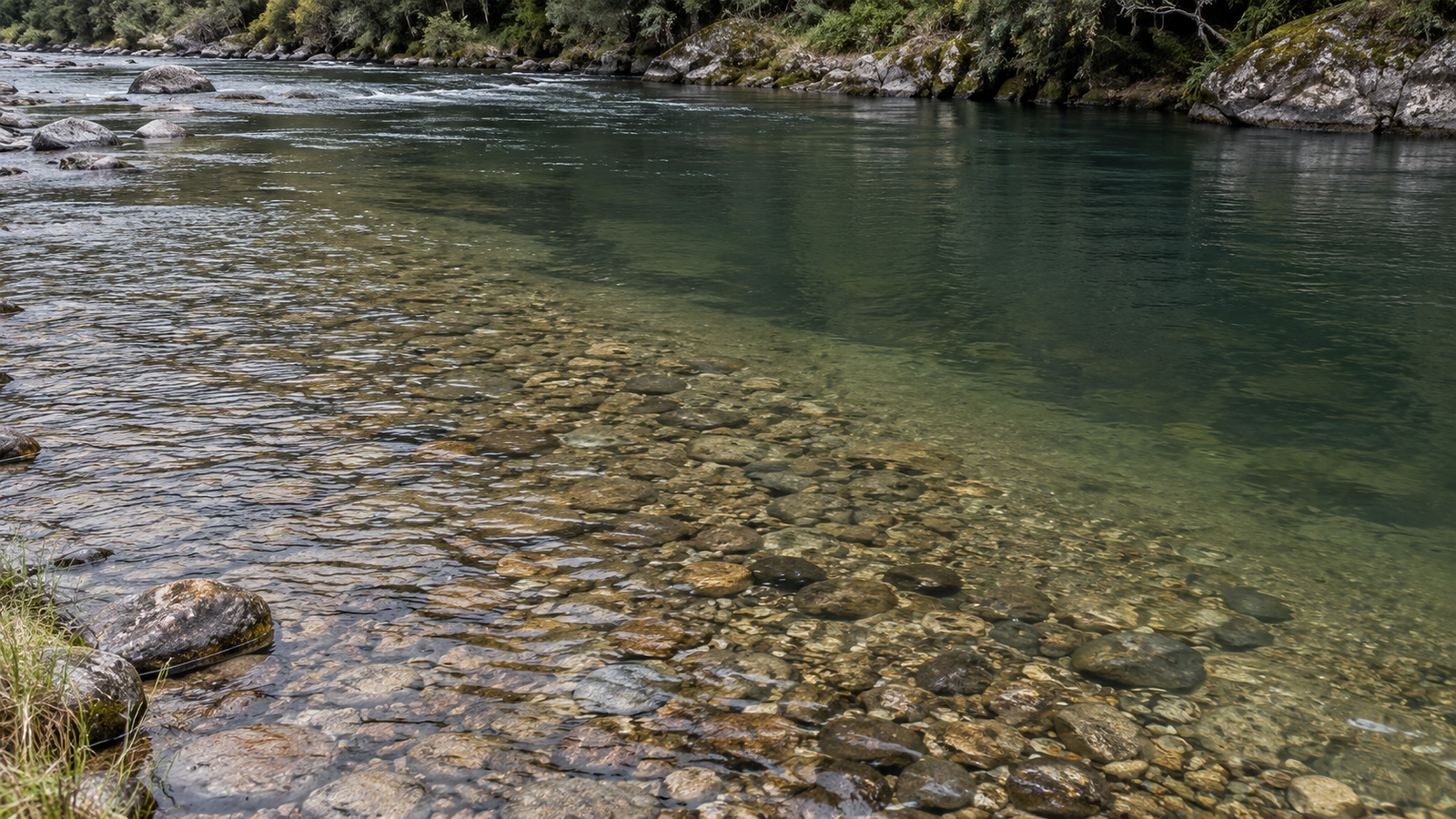
Depth Transitions
The change from shallow to deep water can concentrate food and create a natural holding line. Trout commonly position near these transitions.
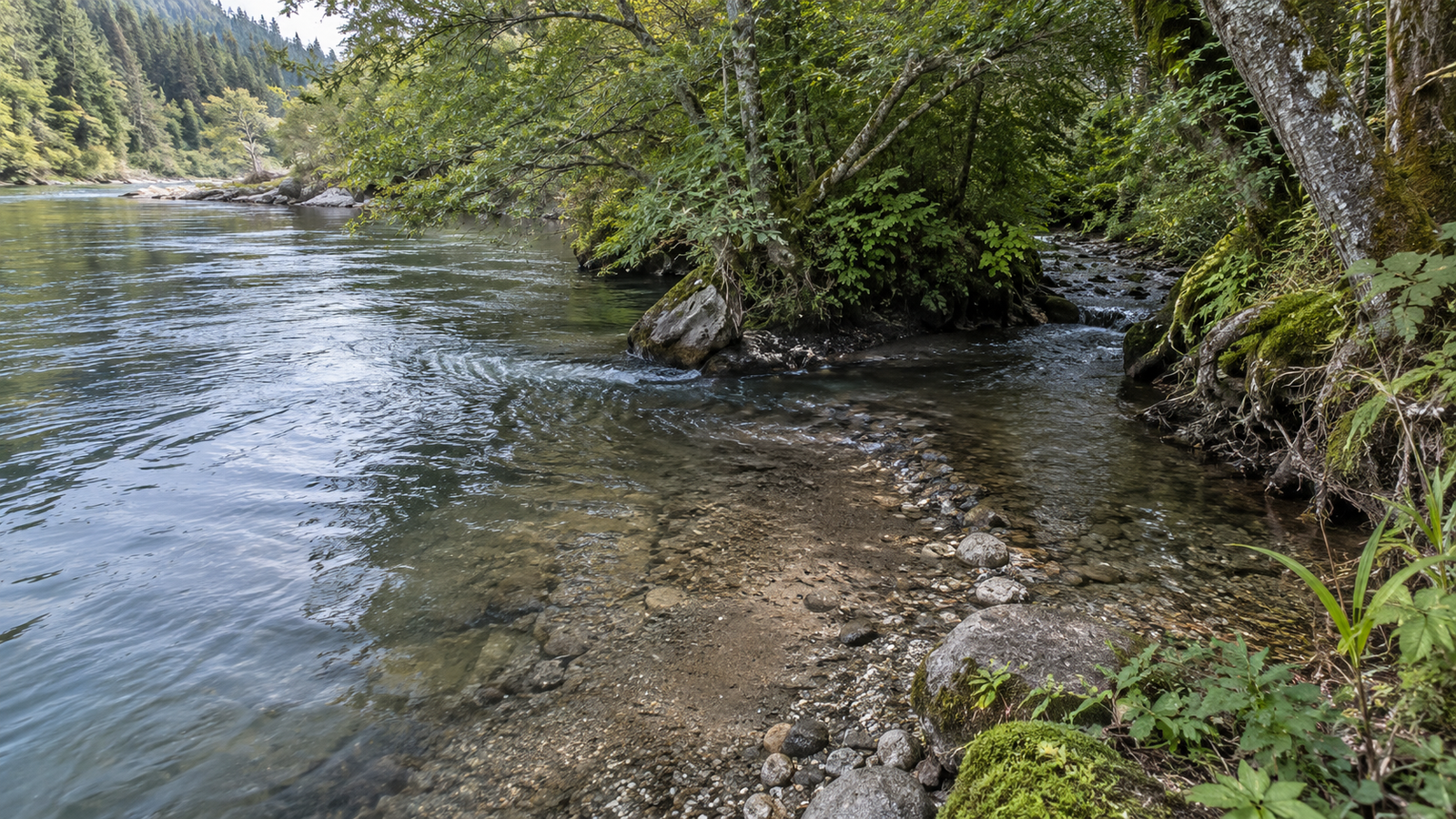
Thermal & Low-Light Refuge
Deeper water can provide cooler, more stable temperatures and lower-light conditions. Trout may move deeper during warm or bright periods when suitable conditions are available.
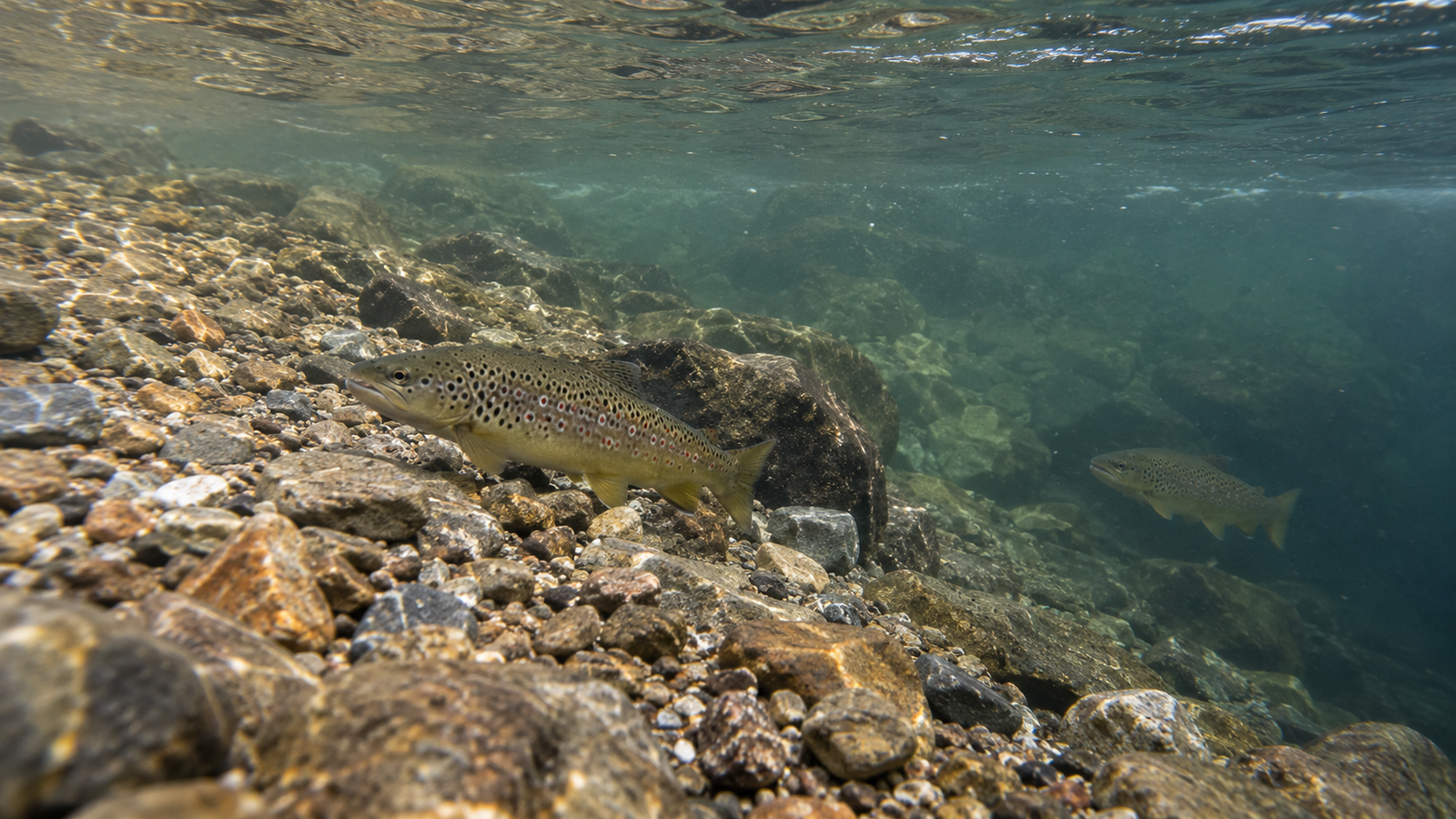
HOW TROUT USE DEPTH
Trout move between different depths throughout the day and across seasons. They use depth to regulate temperature, conserve energy, reduce exposure, and position themselves to intercept drifting food. Understanding how depth changes within a river or stream helps you focus on likely holding and feeding areas.
Temperature
Depth can provide cooler and more stable temperatures when conditions allow.
Energy Conservation
Deeper or slower water can require less effort for trout to hold position.
Protection
Greater depth can reduce exposure to predators, disturbance, and bright overhead light.
Access to Food
Depth transitions can create feeding lanes and concentrate drifting food.